
 Website & Customizable Solutions
 Creative & Marketing Solutions
In today’s digital age, managing a website efficiently is crucial for success. Whether you’re running a blog, an online store, or a corporate site, keeping your content fresh, organized, and engaging can be a daunting task. Enter the Content Management System (CMS) – a powerful tool designed to simplify the process of creating, managing, and publishing digital content. With a CMS, you can focus on your ideas and creativity while leaving the technical complexities behind. Let’s dive into the world of CMS and discover how it can transform your digital strategy.
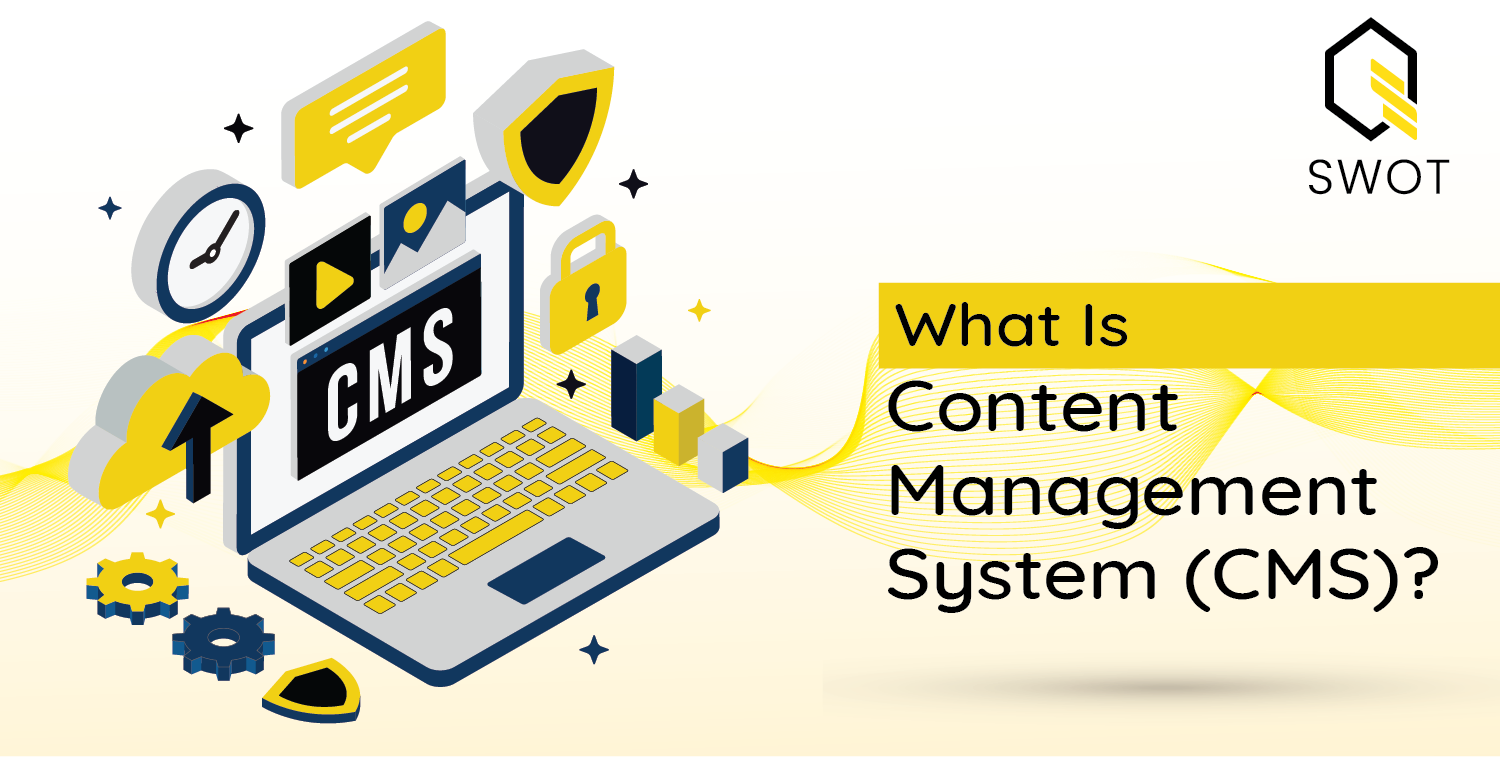
What is a Content Management System (CMS)?
A Content Management System (CMS) is a software application or platform that allows users to create, manage, and publish digital content on the web. It provides a user-friendly interface for managing content without requiring extensive technical knowledge. CMS platforms typically include features such as content creation and editing tools, version control, workflow management, content scheduling, and user permissions. They are widely used for websites, blogs, e-commerce sites, and other digital platforms to streamline content management processes and facilitate collaborative content creation. Here’s why you should care:
- Effortless Content Creation: With a CMS, you can write blog posts, upload images, and add new pages with a few clicks. No technical headaches, just pure creativity.
- Organized Content: Say goodbye to chaotic file systems. A CMS keeps all your content neatly organized, making it easy to find and update.
- Seamless Updates: Need to make changes to your website? A CMS lets you update content in real-time, ensuring your site is always fresh and relevant.
- Collaboration Made Easy: If you work with a team, a CMS allows multiple users to collaborate on content without stepping on each other’s toes. It’s teamwork, simplified.
- Customization Flexibility: Want to change your website’s look or add new features? A CMS offers a range of themes, plugins, and customization options to suit your needs.
- SEO-Friendly: Boost your search engine rankings with built-in SEO tools that help optimize your content for better visibility online.
Here are some examples of popular Content Management Systems (CMS) that you might consider for your website:
- WordPress: Known for its user-friendly interface and extensive plugin ecosystem, WordPress powers a significant portion of the internet, from blogs to complex websites.
- Joomla: Joomla is a flexible CMS suitable for a wide range of websites, including e-commerce stores, social networking platforms, and online magazines.
- Drupal: Drupal is highly customizable and offers advanced features for building complex websites with robust security and scalability.
- Magento: Specifically designed for e-commerce websites, Magento provides powerful features for managing products, orders, and customer interactions.
Each CMS has its strengths and is suitable for different types of websites, so it’s essential to choose one based on your specific needs and goals.
Looking for a game-changer in web development?
Look no further than SWOT! We’re your digital dream team, specializing in WordPress wizardry. What sets us apart? Our creative geniuses craft captivating designs, seamless functionality, and killer content. We’re not just about websites; we’re about relationships. Our customer-centric approach ensures your success every step of the way. With SWOT, you get tech-savvy solutions that keep you ahead of the curve and a seamless experience from start to finish. Choose excellence, choose innovation, choose SWOT for your digital success.